
You don't actually need a gym membership or a pile of fancy equipment to get in shape. A 15-minute workout at home can boost your energy, drop your stress, and help you build strength—without blowing up your busy schedule.
This works because short, focused sessions actually fit into the chaos of real life. When you show up consistently, you'll see results, even if you only have a quarter-hour to spare.

Most professionals are squeezed between meetings, deadlines, and family stuff—finding time for fitness is a struggle. It's not about magically adding hours to your day, but using the ones you've got a little smarter.
Fifteen minutes really is enough for a solid, full-body workout that hits all the major muscle groups and gets your heart rate up. There's no equipment required—just enough space to move.
Bedroom before work? Lunch break? Quick session after dinner? All fair game. The trick is picking the right exercises and structuring them so you get the most out of every minute.
Key Takeaways
- You can finish a full-body workout in just 15 minutes—no gym required
- Short, daily workouts actually fit into busy lives and boost energy, strength, and focus
- Consistency trumps workout length; simple moves, done often, really do add up
Benefits of Quick At-Home Workouts
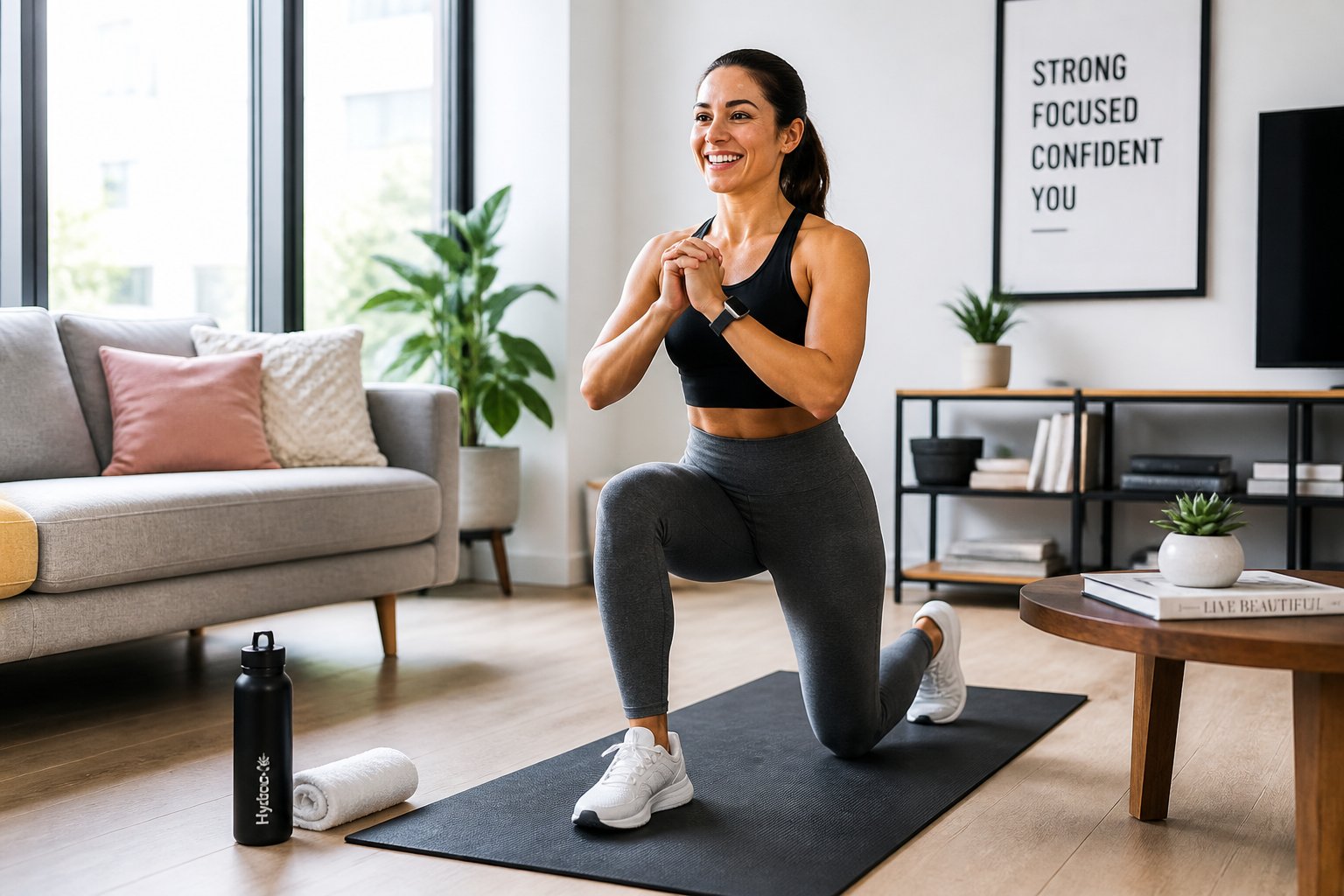
A 15-minute home workout saves time and still delivers actual health benefits. These quick sessions fit into any schedule and don't need any special equipment or gym fees.
Time Efficiency for Busy Schedules
You can get a workout done in the time it takes to drive to the gym. Fifteen minutes can slip into your morning, lunch, or evening without throwing off your whole day.
No need to pack a bag, wait for machines, or deal with locker rooms. You can literally squeeze in a session before a Zoom call or while dinner's in the oven.
Those saved minutes add up fast. Instead of losing an hour (or more) to the gym, you invest just 15 at home. That makes it so much easier to fit in more workouts each week.
Support for Physical and Mental Health
Regular 15-minute workouts help control weight and boost heart health. Your body responds to short, consistent sessions as long as you keep the effort up.
These quick hits also improve your mood and cut stress. Exercise triggers those feel-good brain chemicals, so you head back to work (or life) feeling sharper.
Even short workouts can help you sleep better and raise your energy. You don't need marathon sessions—just a little movement goes a long way.
Accessibility and Flexibility
At-home workouts mean no monthly fees, no contracts, and no weird gym crowds. You can work out in your living room, bedroom, or even your office if you want.
Key accessibility perks:
- No gym membership bills
- No travel time (or gas money)
- No learning curve with complicated machines
- Wear whatever you want
- Work out whenever it fits
You get to control your workout space—music, temperature, privacy, all of it. That freedom makes it easier to stick with the habit over time.
Consistent Progress Without Equipment
Bodyweight moves and, more importantly, suspension fitness training can build impressive strength and burn calories. You use your own weight for resistance, and if you add a suspension trainer, you open up a whole new level of challenge.
Progression is simple: add reps, speed things up, or shorten your rest. When you get stronger, just tweak the movement or use a suspension system for even more intensity.
With suspension fitness training, you can keep your routine going wherever you are—home, hotel, park, you name it. That kind of consistency makes it a lot harder to fall off track.
Essential Preparation for Short Workouts
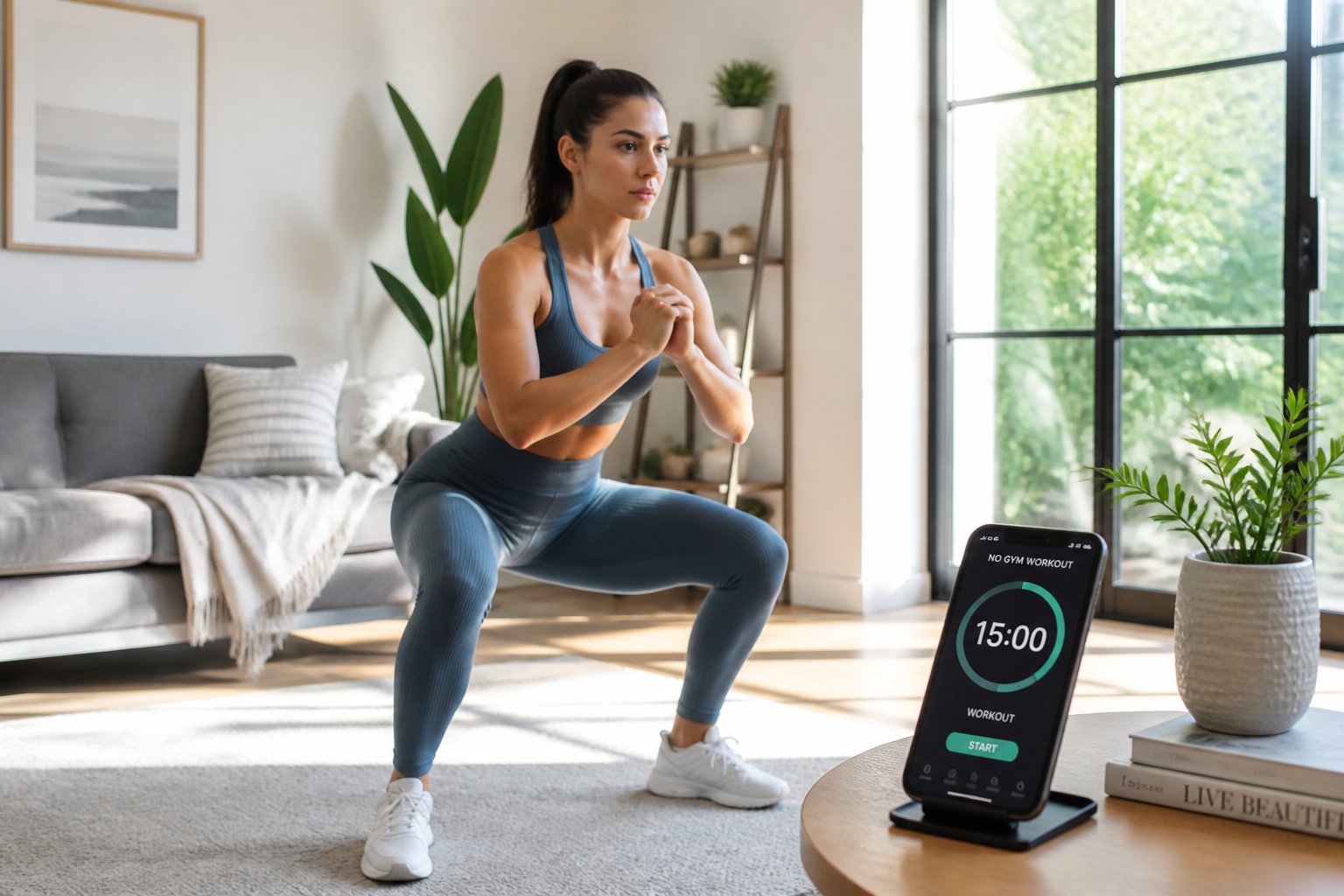
Getting results from 15-minute workouts comes down to preparation. That means setting goals that fit your schedule, picking a good space, and staying safe.
Setting Realistic Fitness Goals
Start with goals that actually work for your life right now. If you're just getting started, try three 15-minute sessions a week for the first month.
Be specific. Instead of "get fit," maybe it's "do 10 push-ups in a row" or "finish three full 15-minute routines this week." Clear goals make it easier to see progress.
Keep your expectations realistic. You won't become a marathoner or bodybuilder with quick sessions, but you will feel better and build strength.
Mark your workouts on a calendar or app. It's a small thing, but seeing those Xs pile up is surprisingly motivating.
Choosing the Right Space
You'll need about 6 feet by 6 feet for most moves, especially if you want to use a suspension trainer. Make sure you can move around and extend fully without bumping into stuff.
Move furniture, tuck away cords, and check that you won't smack your hands on the ceiling. Safety first, right?
Good flooring options:
- Carpet or rugs for some cushion
- Exercise mat if you're on hard floors
- Grass or a patio if you're outdoors
Crack a window or turn on a fan for airflow. It gets surprisingly warm, even in just 15 minutes.
Keep your phone handy as a timer, but silence the notifications. Water bottle within reach, too—trust me, you'll want it.
Safety Tips to Prevent Injury
Always do 2-3 minutes of easy movement first. March in place, roll your shoulders, swing your arms—just get things moving.
Focus on good form over speed. One solid push-up beats ten sloppy ones every time. If you're not sure, check your form in the mirror or record a quick video.
If you feel sharp pain, dizziness, or chest discomfort, stop right away. Muscle burn is normal, but pain isn't.
Stop if you notice:
- Sharp, stabbing pain
- Difficulty breathing (beyond normal heavy breathing)
- Nausea or feeling faint
- Joint popping with pain
Wear decent athletic shoes, even at home—they protect your feet and help with balance. Wipe up sweat to avoid slipping.
Key Suspension Fitness and Bodyweight Movements
For the best results in a short window, combine classic bodyweight exercises with suspension fitness training. These moves hit multiple muscle groups at once, and a suspension trainer lets you adjust difficulty on the fly.

Full-Body Activation Exercises
Burpees are a classic for a reason. Stand, drop to a plank, do a push-up, jump your feet in, and leap up. Your chest, arms, core, and legs all get in on the action.
Mountain climbers are a bit lower impact but still get the job done. Hold a plank and run your knees in toward your chest. Shoulders, core, and hips all work overtime.
Jumping jacks are simple but effective for getting your blood pumping. They wake up your whole body and prep you for harder stuff.
These moves get your heart rate up fast. They're also a great way to warm up before grabbing your suspension trainer for more targeted work.
Core Strengthening Movements
Planks build core stability. Hold a straight line from head to heels—start with 30 seconds, work up to a minute. Hips level, back flat, no sagging.
Bicycle crunches hit your obliques and abs. Lie back, bring opposite elbow to knee, and alternate. Shoot for 15-20 reps per side.
Dead bugs are surprisingly tough. Lie on your back, arms up, knees bent. Lower opposite arm and leg, then switch. It's harder than it looks, promise.
A strong core makes everything else better—lifting, running, even sitting at your desk all day.
Upper and Lower Body Circuits (Add Suspension Fitness!)
Push-ups are still king for upper body strength. Classic style, knees down for a modification, or feet elevated for more challenge. With a suspension trainer, you can adjust the angle for even more options.
Squats build your legs and help with mobility. Stand feet shoulder-width, sit back, push through your heels. Try 15-20 reps. Add a suspension trainer for support or to make single-leg moves (like pistol squats) more doable.
Lunges are great for balance and single-leg strength. Step forward, drop your back knee, push back up. Alternate sides for 10-12 reps each. Suspension straps can help with stability or add resistance.
Tricep dips on a chair or bench hit the backs of your arms. Hands behind you, lower down, press back up. If you've got a suspension trainer, you can do dips or even more advanced moves like suspended push-ups.
Mix these exercises into a circuit—move from one to the next with little rest. And honestly, if you haven't tried suspension fitness training yet, it's worth it. It keeps things fresh, challenges your muscles in new ways, and makes 15 minutes feel like plenty.
Structuring a 15-Minute Suspension Fitness Training Routine
Want to get the most out of a quick workout? A solid 15-minute suspension fitness training session needs a bit of thought. The right warm-up wakes up your body, smart timing keeps you moving, and a good sequence hits all your major muscle groups without wasting energy.
Warm-Up Strategies
Keep your warm-up short—2 or 3 minutes is plenty. Start with some easy movements to get your heart rate up and your muscles ready for suspension fitness.
- Arm circles (30 seconds)
- Leg swings (30 seconds)
- High knees in place (30 seconds)
- Torso twists (30 seconds)
- Jumping jacks (30 seconds)
These get blood moving to your muscles and joints. Skip static stretching before you start—save that for after when you’re done. Dynamic moves work better since they’re closer to the exercises you’ll actually do with your suspension straps.
The warm-up isn’t just physical. It’s a mental signal that you’re about to work. You’re less likely to tweak something if your body’s truly ready.
Timing and Rest Intervals
Try working for 40 seconds, then resting for 20 seconds on each exercise. It’s enough to get your muscles burning, but not so long that you’re dragging.
After warming up, you’ll have about 12-13 minutes left. That’s space for 12 or so suspension exercises if you move fast. Keep your water bottle close and sip during breaks if you need to.
Here’s a simple breakdown:
- Minutes 0-2: Warm-up
- Minutes 2-14: Main workout (12 exercises, 1 minute each)
- Minute 14-15: Cool down—just some light movement
Sequencing for Maximum Results
Kick things off with moves that hit several muscle groups at once. Suspension fitness training is perfect for this—think rows, chest presses, squats, and planks.
Good order for suspension exercises:
- Push moves (suspension push-ups, shoulder presses)
- Pull moves (rows, assisted pull-ups with straps)
- Lower body (squats, lunges using straps for balance)
- Core (planks, mountain climbers with feet in straps)
Switch between upper and lower body. For example, do a set of suspension push-ups, then go straight to squats. While your arms recover, your legs work—and vice versa.
Save core work for last. When you’re tired, your stability muscles have to step up, and that’s where suspension fitness training really shines. It’s about building real-world strength, not just looking good in the mirror.
Advanced Variations for Progression
Once you’ve got the basics down, you’ll want to keep things fresh. Suspension fitness training is super versatile, so you can always ramp up the challenge without grabbing a bunch of extra gear.

Increasing Intensity Safely
Want to make it tougher? Slow down your reps, or try moving through a bigger range of motion. For example, a slow, controlled row on the straps can be surprisingly hard.
Try single-arm or single-leg moves—like pistol squats using the straps for balance, or one-arm rows. These force your stabilizers to work overtime, and you’ll notice any weak spots fast.
Adding a pause at the hardest part of each move is sneaky but effective. Hold at the bottom of a squat, or halfway through a suspension push-up. Your muscles will definitely notice the difference.
As you get stronger, boost your reps or shave a few seconds off your rest. Track your numbers—just jot them down somewhere so you can actually see your progress.
Incorporating Plyometric Elements
Want to kick up the energy? Add some plyometrics. Suspension jump squats are a killer—use the straps to help you jump higher and land softer.
Clap push-ups get your upper body firing. If that’s too much, start with hands on an elevated surface and work your way down.
Burpees with your feet in the straps? Brutal, but efficient. You’ll hit your whole body and get your heart rate through the roof.
Start with just a few reps—three to five is plenty at first. Give your joints time to adjust, and don’t do plyo stuff every day. Every other day is more than enough.
Practical Tips for Staying Consistent
Let’s be honest: most people struggle to keep up a routine, even if it’s just 15 minutes. Suspension fitness training is flexible, but habits make or break your results.
Building Lasting Habits
Pick a time and stick with it. Mornings work for some; others need to blow off steam after work. Both are fine—just pick what actually fits your life.
Lay out your workout clothes the night before. It’s a tiny thing, but it makes a difference. When you’re tired, you’ll be glad you did.
Link your workout to something you already do—like right after your first cup of coffee, or before lunch. Your brain loves routines, even if you don’t.
Three days a week is a good start if daily feels like too much. Miss a day? No big deal. Just get back at it the next day.
Stick with five basic suspension moves until you feel confident. Fancy routines sound cool, but they’re easier to skip when you’re busy or tired.
Tracking Improvements
Write down what you did. Doesn’t matter if it’s a notebook or your phone. Just jot down the date, the exercises, how many reps, and maybe a quick note on how you felt.
Measure your waist, hips, chest, and arms every couple of weeks. Forget daily weigh-ins—they’re not that helpful. You’ll see changes in measurements before the scale moves much.
Notice how you’re sleeping or your energy during the day. Sometimes, that’s the first sign you’re getting fitter—even before the mirror shows it.
Set a goal that means something to you—like hitting 10 suspension push-ups in a row, or holding a plank with your feet in the straps for a full minute. Those little wins add up.
Take a progress photo each month. It’s awkward, but you’ll be glad you did when you look back later.
Adapting for Travel or Changing Schedules
One of the best things about suspension fitness training? You can do it almost anywhere. Toss your straps in your bag and set up in a hotel room, a park, wherever you’ve got a sturdy door or tree branch.
Want even more variety? Bring a resistance band. It weighs nothing and gives you extra options if you get bored or want to target something different.
If your schedule gets thrown off, just move your session. Lunchtime, late evening, whenever you find a gap—just get it done.
On crazy busy days, split your routine in half. Seven minutes in the morning, seven at night. Or, if you’re really pressed, do a 10-minute “emergency” version with your three favorite suspension moves. Something always beats nothing.
Healthy Lifestyle Support Beyond Exercise
Suspension fitness training is great, but it’s not the whole picture. If you’re ignoring nutrition, stress, or recovery, you’re missing out on real progress. These things work together—even for short, intense routines.
Quick Nutrition Strategies
Your body needs fuel, even for short sessions. Try to get some protein at every meal—20 to 30 grams is a good target.
Meal prep doesn’t have to be fancy. Grill some chicken, roast a tray of veggies, cook up some rice or quinoa. Throw it in containers and you’re set for the week.
Easy nutrition hacks:
- Drink plenty of water (aim for 8 glasses a day)
- Keep snacks like nuts or fruit handy
- Eat something within an hour after training
- Cut back on processed stuff and sugary snacks
No one eats perfectly all the time. Just aim for a mix of protein, veggies, and whole grains most meals. You can whip up something decent in under 10 minutes if you keep it simple.
Stress Management Techniques
Stress is a sneaky fitness killer. It messes with your sleep, your mood, even your recovery. Take five minutes for yourself when you can—it really helps.
Try a breathing drill: in for 4 counts, hold for 7, out for 8. Repeat a few times when you’re frazzled. It’s surprisingly effective.
Quick ways to chill out:
- Take a walk at lunch
- Turn off work emails after dinner
- Do a five-minute meditation (apps help)
- Jot down three things that went well today
And hey, don’t forget—your 15-minute suspension fitness training session is a stress-buster, too. You’ll walk away feeling better, every time.
Balancing Recovery and Workload
Your muscles honestly need a break to repair and get stronger after you push them with suspension fitness training. Set aside at least one real rest day each week. On those days, just stick to something gentle like walking or stretching instead of diving into another sweaty session on the straps.
Sleep isn’t just a suggestion—it’s a game changer for recovery and performance. Most adults should aim for 7 to 9 hours a night. If you’re skimping on sleep, your workouts (especially those tough suspension sessions) just won’t hit the same, and honestly, you’re more likely to get hurt.
Recovery basics that actually fit a busy life:
- Try stretching for five minutes before bed—your muscles will thank you.
- Keep your bedroom cool and dark to help you get better sleep.
- Switch up your focus: alternate upper body and lower body suspension fitness days.
- Seriously, listen to your body. If you’re wiped out, it’s okay to take an extra rest.
You don’t need some high-tech recovery gadget or pricey massage gun. Just stick with the basics—get enough sleep, stay hydrated, and don’t skip rest days. That’s what really helps your body adapt and get stronger from all the suspension fitness training.
Measuring Success Over Time
Tracking your progress with suspension fitness training goes way beyond just stepping on the scale. Take measurements of your waist, hips, chest, and arms every couple of weeks. These numbers often shift before your weight does, and honestly, they tell a better story.
Pay attention to these markers as you dive into your suspension fitness routine:
- How much energy you have through the day
- Whether your clothes feel looser or tighter, especially around the waist and shoulders
- How many reps you can crank out on each suspension move
- How fast you bounce back between sets
- How well you're sleeping at night
Every month, snap a few photos from the front, side, and back. Try to wear the same outfit and keep the lighting similar. It's wild how much you might miss in the mirror that photos will reveal.
Jot down your suspension fitness workout details in a notebook or on your phone. Note which exercises you tackled and your rep counts. That way, when you see 15 suspended pushups this month compared to 8 last month, you know you're leveling up.
If you can hold a plank on your suspension trainer for 30 seconds longer than before, that's a win. Or maybe you notice you don't crash at 3pm anymore—your fitness is moving in the right direction.
Give yourself four weeks between check-ins with your main metrics. Your body needs that time to actually change. Checking every day? That's just stressful and doesn't show the real progress anyway.
Progress with suspension fitness training comes in tiny steps. You won't always spot it day by day, but look back every few weeks and you'll see how far you've come.
Ready to reclaim your time and build real strength? Explore our portable suspension systems designed to fit your busy life