
Let’s be real for a second: the gym can be a total drag. Between the commute, the crowded locker rooms, and that one guy who spends forty minutes scrolling on his phone while sitting on the only squat rack, it’s a wonder any of us make it through the door.
But what if I told you that you could get a world-class, full-body workout using nothing but your own body weight and a couple of high-quality straps? Welcome to the world of suspension fitness.
Whether you’re a total fitness newbie or someone looking to break up the monotony of your current routine, this guide is for you. At NOSSK, we’ve spent years perfecting gear that’s tough enough for any environment but simple enough for your living room. Let’s dive into how you can start winning at fitness without ever setting foot in a commercial gym.
Key Takeaways
- Scalability is King: You control the difficulty by simply moving your feet.
- Core Everywhere: Every move is a core move when you’re using suspension fitness straps.
- Minimal Space, Maximum Gain: You only need a door or a sturdy overhead beam to get started.
- The NOSSK Advantage: From the TNT PRO to the Cyclone, we have a system for every budget and goal.
- Grip Matters: Don’t forget your hands: tools like the FlexEx keep your kinetic chain strong.
What Exactly is "Suspension Fitness"?
"Suspension fitness" is really just a fancy way of saying you’re using suspension fitness straps to create resistance with your own body weight. Instead of picking up a heavy dumbbell, you’re leaning against gravity.
Because the straps are inherently unstable, your body has to work overtime to keep you balanced. This means you aren’t just hitting your "mirror muscles" (the ones you see in the mirror like chest and bi's); you’re hitting all those tiny stabilizer muscles that keep your joints healthy and your posture upright.
Why It’s Perfect for Beginners
I know, looking at someone doing crazy inverted rows can be intimidating. But honestly, suspension fitness is arguably the most beginner-friendly tool in the shed. Why? Because it’s instantly adjustable.
If a chest press feels too hard, you just step further away from the anchor point to stand more upright. If you want to make things get spicy, you step further back to increase the angle. You don't have to go find a different set of weights; you just move your feet. It’s that simple.
Picking Your Weapon: The NOSSK Lineup
Before you can bang out reps, you need the right gear. We take pride in making high-quality, US-made equipment that doesn't break the bank. Here’s a quick breakdown of our equipment collection:
- HOME Suspension Fitness Trainer: Our entry-level powerhouse. Perfect for those who want to work out in their bedroom or hotel.
- GYM PRO: The gold standard for home gyms. Durable, versatile, and ready for daily abuse.
- TNT PRO: Built with US Military-grade webbing. This is for the folks who want the toughest gear on the planet.
- RT-17: Features 1.5-inch wide straps for a different feel and extra stability.
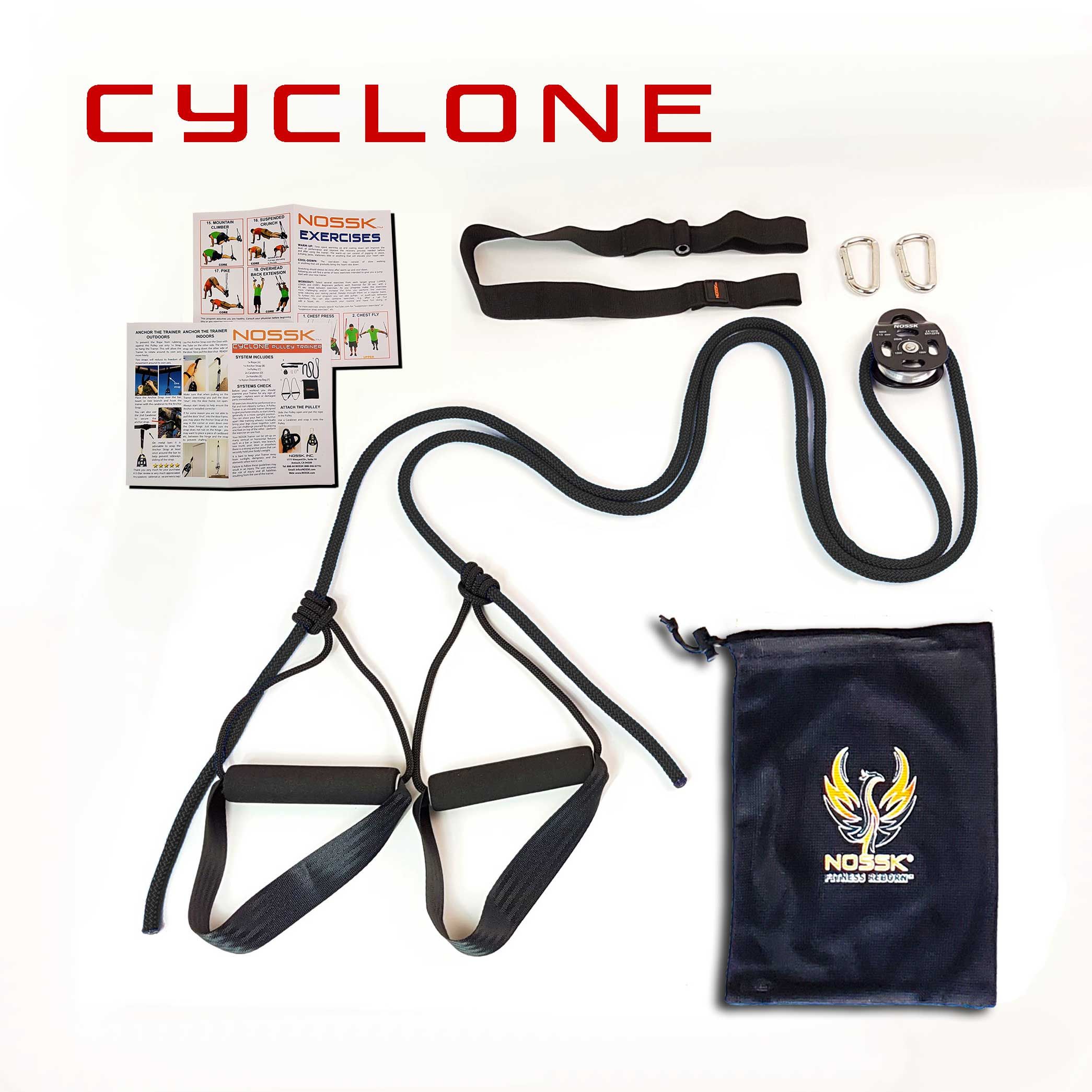
- Cyclone Pulley Trainer: This adds a pulley system into the mix. If you want to take your core stability and "anti-rotational" strength to a nasty new level, this is it.
Setting Up for Success
The biggest hurdle for beginners is usually figuring out where to put the thing. Trust me, it’s easier than you think.
- The Door Anchor: Most of our systems come with a door anchor. You just toss it over a door (that closes toward you for safety!), shut the door, and you’re ready to go. Check out our door anchor guide for the specifics.
- Overhead Anchors: If you’re lucky enough to have a pull-up bar, a sturdy tree branch, or a park playground nearby, you can loop your straps around those.
The "Big 5" Beginner Moves
You don't need a library of 500 exercises to see results. Master these five foundational patterns first. You can see more details on our basic exercises page.
1. The Row (Pull)
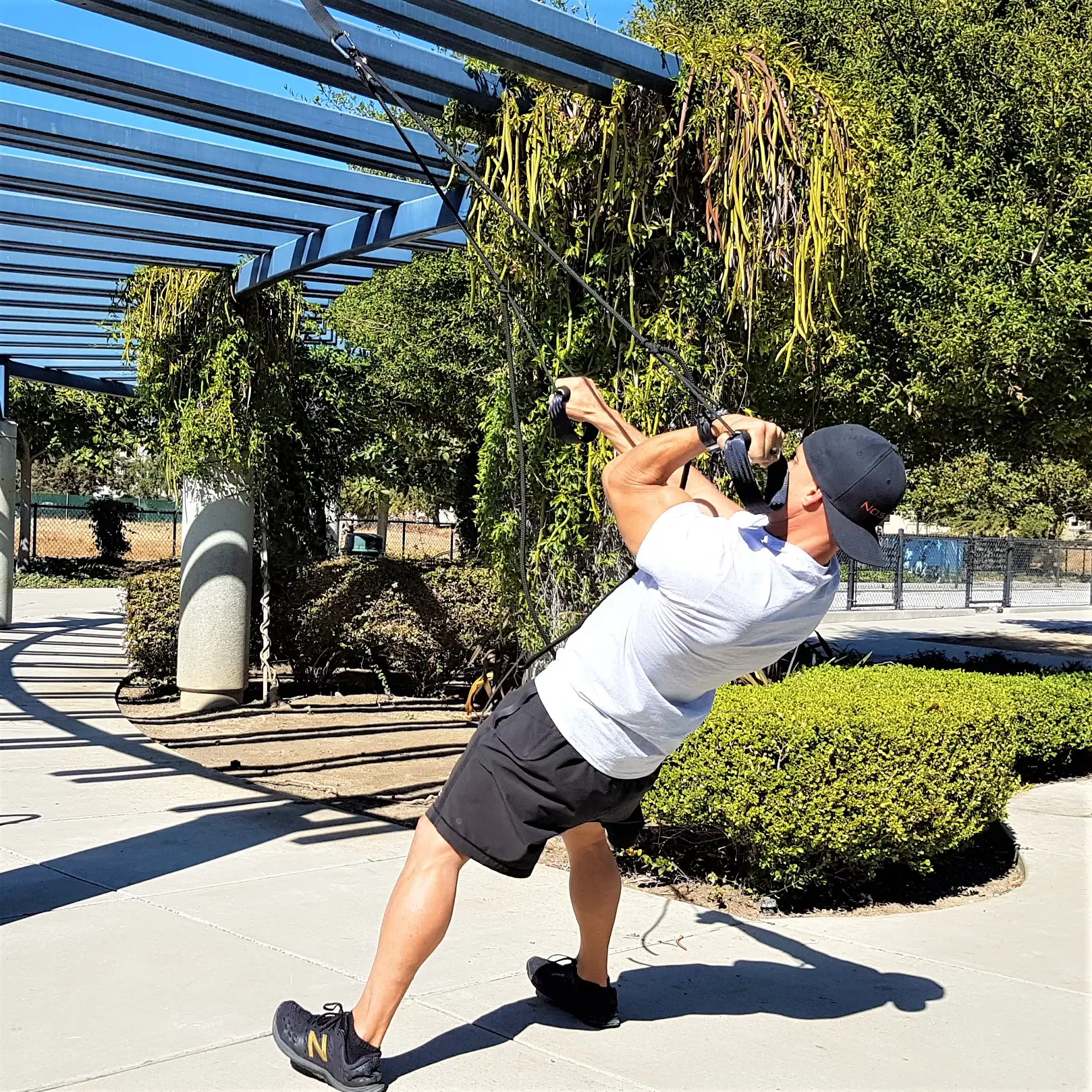
Face the anchor point, hold the handles, and lean back with your arms straight. Keep your body in a stiff plank: no sagging hips! Pull your chest up to your hands, squeezing your shoulder blades together. This is the ultimate "anti-desk-job" move.
2. The Chest Press (Push)
Face away from the anchor point. Start in a plank position, leaning forward into the handles. Lower your chest toward your hands (like a push-up), then press back up. Pro tip: Keep the straps from rubbing against your arms by holding your hands slightly higher.
3. The Squat
Face the anchor. Use the handles for balance (don't pull yourself up with your arms!). Sit your hips back and down, then drive through your heels to stand up. This is great for beginners because the straps act like a spotter.
4. The Assisted Lunge
Similar to the squat, but you’re stepping back into a lunge. The suspension fitness trainer helps you stay upright and takes the pressure off shaky knees.
5. The Plank
Put your feet in the cradles and hold a push-up position. Your core will be screaming (in a good way) within seconds.
Don't Forget Your Grip: The FlexEx Factor
One thing beginners often overlook is hand and forearm strength. If your grip gives out before your back does during rows, you’re leaving gains on the table.
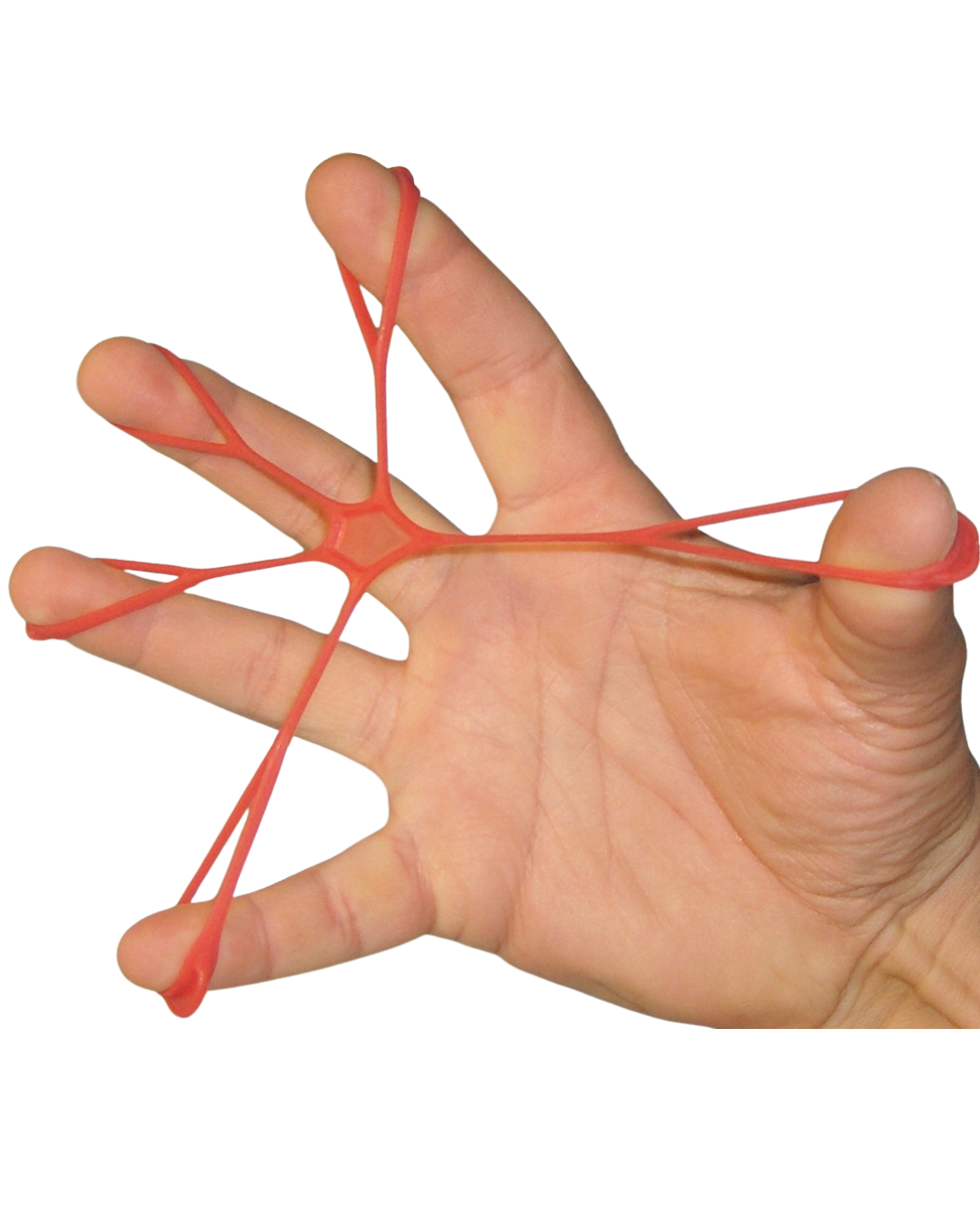
We recommend the FlexEx Hand Exerciser. It’s a simple, portable tool that strengthens your finger extensors. It balances out all that "squeezing" you do on the handles and helps prevent issues like carpal tunnel or tennis elbow. Plus, you can use it while watching TV. Check them out in our hand exerciser collection.
A Simple 20-Minute Routine
Ready to sweat? Try this circuit-style workout. Do each move for 40 seconds, rest for 20 seconds, and repeat the whole circuit 3 times.
- Suspended Rows
- Suspended Chest Press
- Suspended Squats
- Suspended Plank (or a standard floor plank if you're just starting)
- FlexEx Hand Extensions (during your longer rest between circuits)
Common Mistakes to Avoid
I’ve seen it all, and honestly, most mistakes come down to rushing.
- The "Saw": This happens when you’re using a single-anchor system and your arms move back and forth like a saw. Keep equal pressure on both handles.
- Sagging Hips: Always think "active plank." Your body should be a straight line from ears to ankles.
- Starting Too Steep: Don't try to be a hero on day one. Start at a shallow angle to master the form, then move deeper as you get stronger.
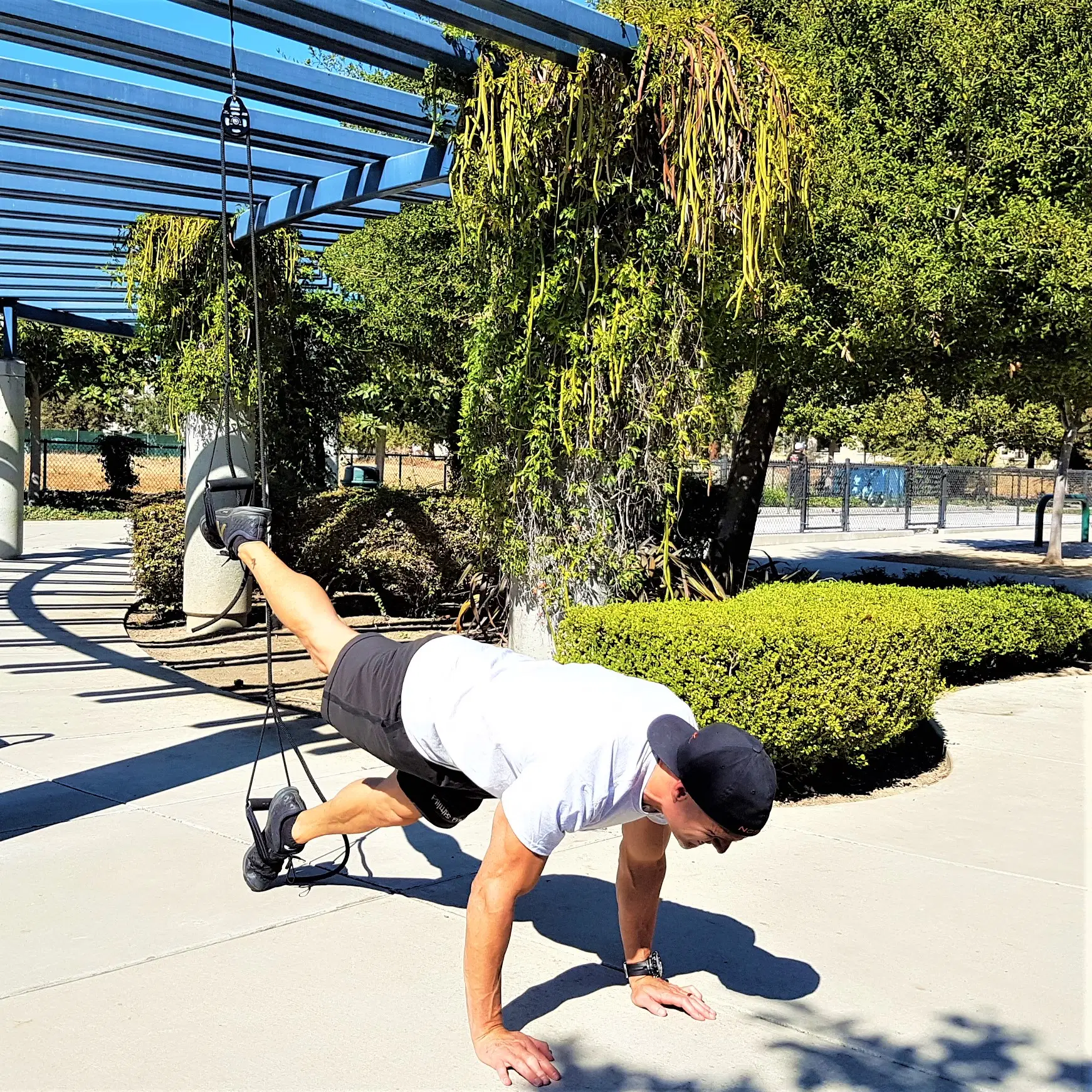
Progression: How to Keep Getting Results
Fitness is a marathon, not a sprint. Once those 40 seconds of rows feel easy, you have three ways to make it harder:
- Change the Angle: Step closer to the anchor point.
- Slow Down: Spend 3 seconds lowering yourself and 1 second exploding up. This is a "fancy way of saying" you're increasing time under tension.
- Single Limb: Try doing your squats on one leg. Trust me, it’ll get your heart rate up fast.
Final Thoughts
Starting a fitness journey is tough, but it doesn't have to be complicated. With a set of suspension fitness straps and a little bit of consistency, you can build a body that’s strong, mobile, and ready for anything life throws at it: all from the comfort of your own home (or a beautiful park).
Still have questions? Hit up our FAQ page or reach out to us. We’re here to help you get moving. Now, go find a door, anchor your straps, and let’s get to work!