
Cold, dark mornings can make a familiar workout routine feel like a much bigger ask. The answer isn’t to wait until motivation magically shows up. It’s to make moving easier to start. Clear a little floor space, keep your plan simple, and get a useful workout done at home, before work, at lunch, or after dinner.
This 10-minute indoor workout gives you a quick warm-up and a short, repeatable circuit using bodyweight exercises. You don’t need a gym or a pile of home gym equipment. A sturdy chair and a little space are enough; suspension fitness straps can add more exercise options if you have them.
Key Takeaways
- You can do this no gym workout in a small space with a chair and bodyweight.
- The routine includes a one-minute warm-up and a nine-minute circuit.
- Make each move easier or harder by changing your range of motion, support, or body angle.
- A short workout is a useful place to start, but build toward more weekly activity over time.
- Put the routine on your calendar and prep your space the night before to make it easier to stick with.
Your 10-Minute Indoor Workout
Set a timer for 10 minutes. You’ll warm up for one minute, then cycle through three exercises for three rounds. Each exercise gets 40 seconds of steady work and 20 seconds to rest or switch moves. That’s nine minutes for the circuit.
Take a breath whenever you need one. The timer is there to guide you, not boss you around.
1-minute warm-up
March in place at an easy pace. Add relaxed arm circles, then a few comfortable hip hinges (push your hips back as if closing a drawer). Keep moving gently and use a range that feels good.
9-minute circuit
Complete three rounds of the following:
- Chair squat: Stand in front of a sturdy chair with your feet about hip-width apart. Send your hips back to tap the chair, then stand tall. Keep the movement smooth; don’t drop onto the seat.
- Incline push-up: Place your hands on a stable wall or counter, a little wider than shoulder-width. Bend your elbows to bring your chest toward the surface, then press away. Choose a surface that won’t shift.
- Alternating reverse lunge: Hold a chair or wall for balance if you like. Step one foot back, bend both knees only as far as comfortable, then return to standing. Alternate sides. If stepping back doesn’t feel right, do another set of chair squats instead.
When the timer’s up, take a moment to breathe and notice how you feel. That’s your workout done, no commute, complicated setup, or perfect morning required.

Want to Make It Easier, or Mix it Up?
Start with a version you can control. The goal is to finish each round feeling challenged but steady, not to rush through reps.
To make the workout easier:
- Use a higher, stable surface for your incline push-up (or push against a wall).
- Keep your chair close behind you for support during squats.
- Make reverse lunges smaller, hold a support, or swap them for chair squats.
- Slow down and pause for a breath whenever your form starts to slip.
To make it harder:
- Lower the push-up surface gradually, moving from wall to a sturdy counter.
- Sit down less on the chair squat, or pause just above the seat.
- Take a slightly deeper lunge if it feels comfortable and your balance stays solid.
- Keep each rep smooth and controlled rather than chasing speed.
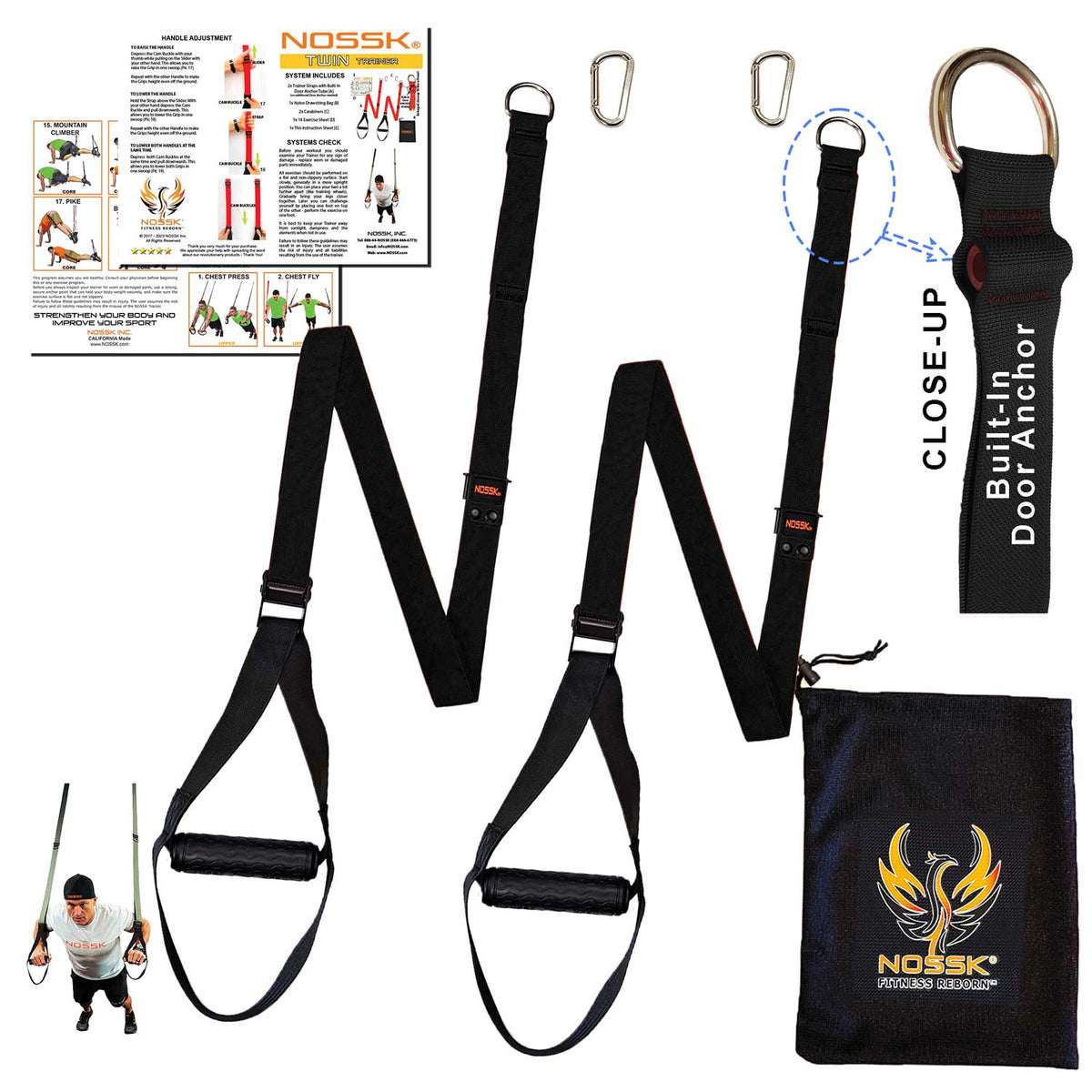
If you have a NOSSK suspension fitness trainer, you can swap in supported bodyweight moves like rows or chest presses. Changing your body angle changes how much of your body weight you’re working against: a more upright position is generally easier, while stepping farther out and leaning more can make the movement tougher. Adjust in small steps, and only use a setup you’ve checked and feel secure with. NOSSK’s basic exercise guide and setup information can help you learn the options.
A Small-Space Setup That’s Ready When You Are
You don’t need a full home gym to make home exercise equipment useful. Clear an area where you can step back and move your arms freely, keep a sturdy chair nearby, and set out comfortable clothes the night before. If you use a door-mounted trainer, follow the product’s setup instructions and make sure the door and anchor are secure before you exercise.
For apartments or tight spaces, the NOSSK Twin Pro is a great fit. Its built-in door anchor sets up on a suitable door in seconds, and its two separate straps give you narrow or wide configurations, so a small corner of a room is all the space you need. It features lay-flat handles, comfortable foot loops, an exercise guide, and a carrying bag for easy, compact storage. NOSSK trainers are made in-house in California with high-grade materials, including US Military Webbing, and the company offers a lifetime satisfaction guarantee.
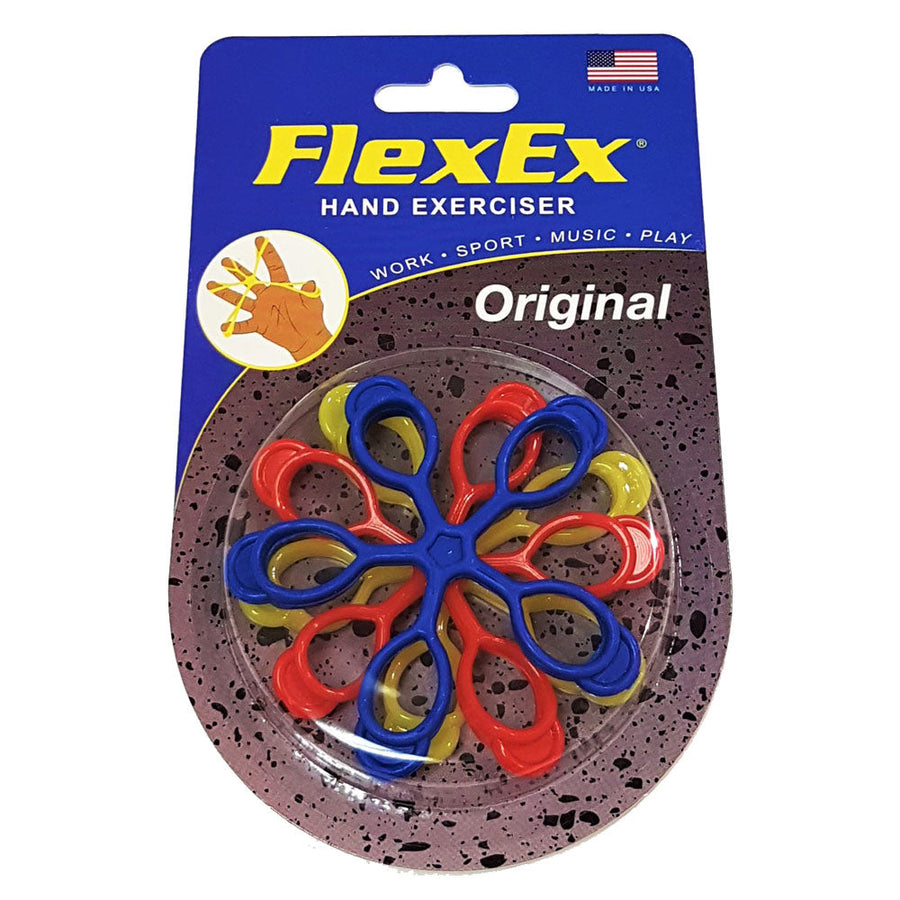
Different gear suits different setups, too. For example, the TNT PRO includes a fit link which creates an extra challenge, while the RT-17 is a rugged rope-based trainer. You can check out the entirer line of NOSSK Trainers here. And for hands, wrists, and forearms, the patented, USA-made FlexEx Hand Exerciser fits easily into a quick break or a desk-side routine.
How to Keep the Habit Going as Days Get Shorter
A realistic routine beats an ambitious plan you keep postponing. Pick a time and attach it to something you already do: after you get up, before lunch, or once dinner is cleared. If mornings aren’t working, shift the workout to lunch or evening instead of calling the whole week a wash.
Try these simple habit helpers:
- Make a small promise: “I’ll start the warm-up.” Starting is often the hardest part.
- Prepare once: Leave your chair, workout clothes, and any gear ready before bed.
- Track completed sessions: A quick check mark is plenty.
- Keep a five-minute fallback: On a packed day, do one round, or simply march and stretch for a few minutes. That’s a practical way to keep your routine on the radar.
Short sessions count as progress, but they don’t have to be your only movement. Build gradually. Add a walk, another short session, or a longer workout when your schedule allows. The CDC’s physical activity guidelines recommend that adults work toward at least 150 minutes of moderate-intensity activity each week, plus muscle-strengthening activity. A 10-minute workout is a helpful start, not a finish line.
Most importantly, don’t wait for a perfect morning, perfect mood, or perfect setup. Make a little room, press start, and build consistency one session at a time.
Ready to make indoor bodyweight training easier to keep up with? Explore the NOSSK Twin Pro and find the compact setup that fits your space.