
So, you’ve decided to ditch the expensive gym membership and the rows of intimidating, dusty machines. Smart move. You’re looking for something that doesn't take up an entire spare bedroom but still delivers a full-body burn that leaves you feeling accomplished.
Welcome to the world of suspension fitness.
If you’re staring at a set of NOSSK suspension fitness straps and wondering, "Okay, now what?" Don't sweat it. Most people feel a bit like they’re trying to untangle a giant puzzle the first time they pull them out of the bag. But honestly? Once you get the hang of it, you’ll realize this is the most versatile, portable, and effective piece of gear you’ll ever own.
Whether you’ve got the NOSSK Twin Pro or the ultra-portable NOSSK HOME Trainer, this manual will take you from "clueless beginner" to "confident pro" in no time.
Key Takeaways
- Safety First: Always weight-test your anchor point before you start leanin'.
- Control the Angle: Your body angle determines the difficulty: move your feet to make things spicy or scale it back.
- The NOSSK Range: From the built-in door anchor of the HOME Trainer to the dual-strap versatility of the Twin Pro, there’s a setup for every space.
- Don't Forget Your Grip: Use FlexEx to keep your hands and forearms as strong as your core.
- Keep it Taut: Never let the straps go slack; keeping tension is the secret to getting results.
1. Know Your Gear: Which NOSSK is Yours?
Before we start hanging from things, let's make sure you know what you’re working with. NOSSK makes a few different flavors of suspension fitness trainers, and they all have their own "superpowers."
- The Twin Pro: These are two separate straps. This is a game-changer because you can set them wide or narrow. Want to do wide chest presses or narrow rows? This is your tool.
- The HOME Trainer: Our most portable and lightweight option. It’s got a built-in door anchor, making it the absolute best choice for travelers or folks in small apartments.
- TNT PRO & RT-17: The TNT comes with our fit link for extra instability looking to take their workout to another level. The RT-17 is actually a rope trainer. aa rugged and practical choice for those who lean towards the minimal.
- Cyclone Pulley Trainer: If you want to challenge your balance and coordination, the pulley system is where it's at.

2. The Setup: Anchor It Like a Pro
The biggest hurdle for beginners is usually just getting the straps up. You don't need to be a carpenter to set these up, I promise.
Using a Door (The Indoor Hero)
If you're training at home, the door is your best friend.
- Find a sturdy door. Ideally, one that opens away from you. This way, your bodyweight actually pulls the door more tightly into the frame.
- Toss the anchor over the top. If you have the NOSSK HOME Trainer, or the NOSSK TWIN PRO the anchor is built right in. If you have the TNT PRO or RT-17, you’ll use the dedicated door attachment.
- Shut it and lock it. (Seriously, tell your housemates not to open the door while you're mid-set. Trust me.)
- The Weight Test: Give the straps a hard tug before you lean back. You want to know it's solid before you're horizontal.

Taking it Outdoors
One of the best things about suspension fitness straps is that the world becomes your gym.
- Find a beam or a tree branch. Just make sure it’s strong enough to hold a lot more than just your body weight.
- The Wrap: Wrap your anchor strap around the branch or a sturdy pole (like at a park). If the pole is smooth, wrap it a few extra times to prevent it from sliding down.
- Hardware Check: If you're building a permanent home gym, something like the NOSSK Double Oblong Stud - Beam Pad Eye Anchor System is a rock-solid way to mount your gear to a ceiling beam.

3. The Secret Sauce: Adjusting Difficulty
Here is the "fancy way of saying" how to make things harder: Vector Resistance. Basically, it’s all about your feet.
- Make it Easier: Stand more upright. The more vertical you are, the less of your body weight you're actually fighting against.
- Make it Spicy: Walk your feet toward the anchor point. As you become more horizontal, gravity starts to work against you much harder.
Pro Tip: If you're doing rows and your form starts to slip, don't stop the set! Just take a small step back to stand a bit more upright and bang out those last few reps with perfect form.
4. The "Big Four" Beginner Exercises
Ready to sweat? Start with these four moves. They hit your entire body and help you get used to the feeling of the straps.
1. The Suspension Row (Back & Biceps)
Face the anchor and hold the handles. Lean back until your arms are straight. Now, pull your chest toward the handles by squeezing your shoulder blades together. Keep your body as stiff as a plank: no sagging hips!
2. The Suspension Chest Press (Chest, Shoulders, Triceps)
Face away from the anchor. Hold the handles in front of you and lean forward. Bend your elbows to lower your chest toward your hands (just like a push-up), then press back up. Note: Make sure the straps don't rub against your arms: it's annoying and can cause "strap burn."
3. The Assisted Squat (Legs & Glutes)
Face the anchor and hold the handles with a light grip. Sit back into a squat. The straps are there to help you keep your chest up and give you a little "boost" if you need it to get back up. This is great for building perfect squat depth.
4. The Plank (Core & Stability)
Adjust your straps so the handles (or foot loops) are about mid-calf height. Put your feet in the loops and get into a push-up position on the floor. Hold it. Your core will be screaming (the good kind of screaming) in seconds because you're fighting to keep those straps from swinging.
5. Don't Neglect the Extremities: Grip Strength
While you're working on your "beach muscles," don't forget the things actually holding you to the straps: your hands.
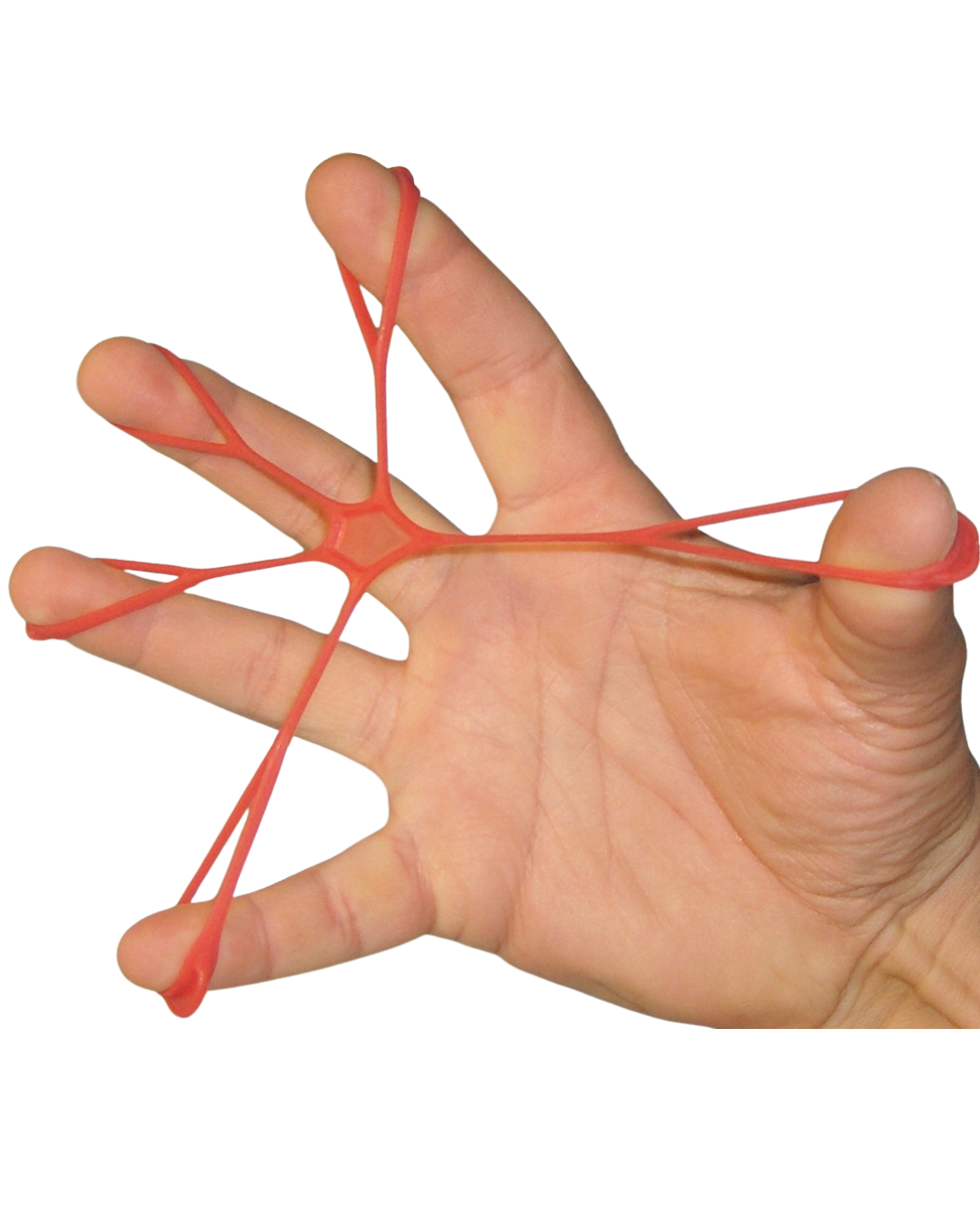
Many beginners find their grip gives out before their back does during rows. That’s where the FlexEx Hand Exerciser comes in. It’s a simple, patented device made right here in the USA that helps strengthen your fingers, hands, and forearms.
Throw a FlexEx in your pocket and use it while you’re watching TV or stuck in a Zoom meeting. It’ll make those long sets of rows feel way easier.
6. Safety Tips to Keep You in the Game
I know, safety talk is boring, but "fancy ways of saying" I hurt my shoulder are even worse.
- No Sawing: NOSSK straps are built tough, but you shouldn't "saw" them back and forth through the anchor. It causes unnecessary wear and tear. Keep equal pressure on both handles.
- Keep Tension: If the straps go slack, you lose the benefit of the exercise and risk a jerky movement that could tweak a joint. Think "tension is king."
- Check Your Hardware: Regularly look at your carabiners and webbing. Our stuff is made with US Military Webbing, so it's incredibly durable, but it’s always smart to keep an eye on your gear.

Wrapping It Up
Starting a suspension fitness journey is one of the best things you can do for your functional strength. It’s not just about looking good (though that’s a nice perk); it’s about moving better in everyday life.
Don't rush it. Start upright, focus on your form, and gradually "get spicy" as you feel more confident. Whether you're using the Twin Pro for its separate strap versatility or the HOME Trainer for its grab-and-go ease, the most important thing is consistency.
Ready to get started? Grab your gear, find a door, and let's get to work!